
Content
If you’re offering this benefit to your customers, you need to factor that cost in. If customers are paying for shipping, you don’t need to worry about adding in this charge. Once you’ve calculated all your costs, it’s time to work out how much it costs to produce each individual unit or product. However you decide to price your inventory, you’ll want to consider your cost price, competitors’ pricing, supply and demand, and landed cost. In this example, we’re adding up all the costs for producing many lightbulbs over the course of a year.
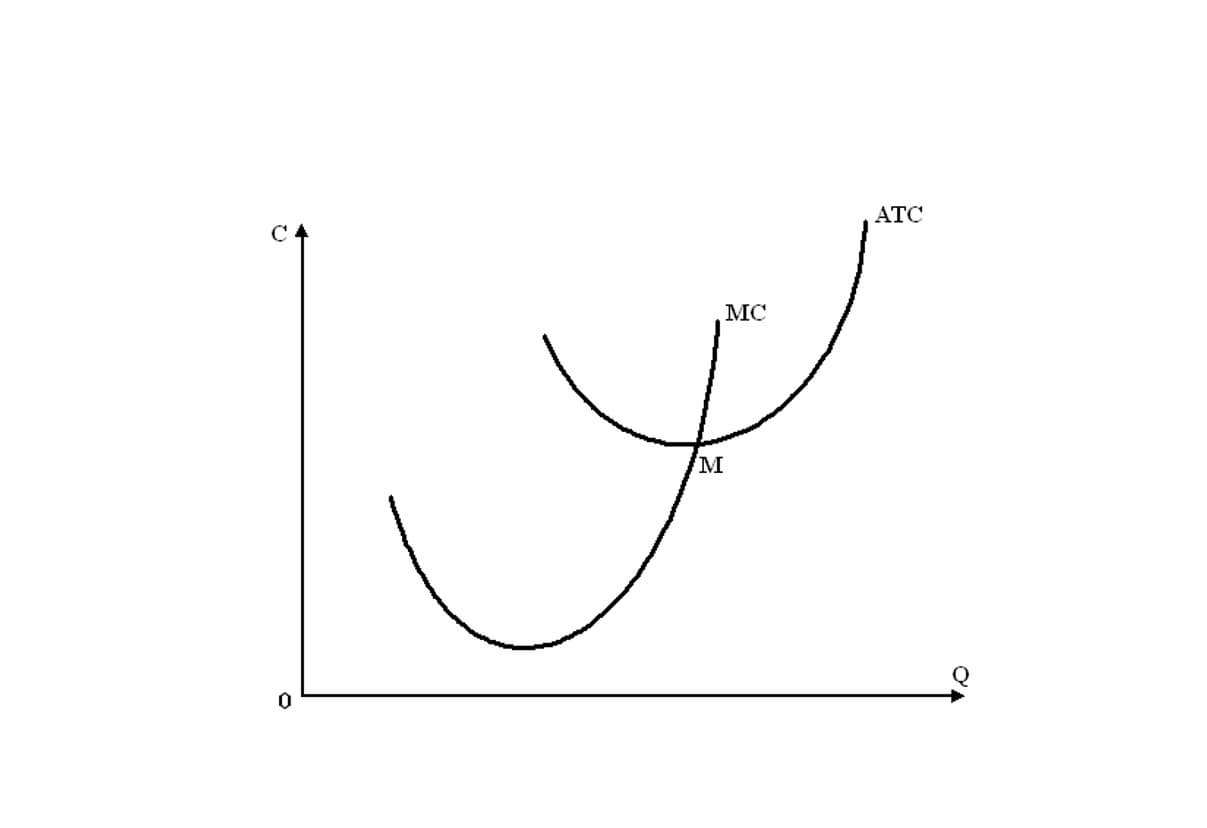
The cost per unit is derived from the variable costs and fixed costs incurred by a production process, divided by the number of units produced. Examples of step costs are adding a new production facility or production equipment, adding a forklift, or adding a second or third shift. When a step cost is incurred, the total fixed cost will now incorporate the new step cost, which will increase the cost per unit. Depending on the size of the step cost increase, a manager may want to leave capacity where it is and instead outsource additional production, thereby avoiding the additional fixed cost. This is a prudent choice when the need for increased capacity is not clear. The concept of price per item is an essential aspect of understanding the cost breakdown of products, particularly when comparing prices across different package sizes or quantities.
Free Tools
If your consignment is intended for door delivery, take care to get all destination charges necessary to guide your final landed costing. The final cost of a product is the sum total of all expenses from production to the shelf or doorstep. To calculate https://www.bookstime.com/blog/accounts-payable-management this cost, you start with production expenses that include all overheads incurred, materials, staff, and incidentals. To mitigate against loss in transit and protect your business from expensive claims, you must include an insurance cover for the cargo.
- Cost price is the amount of money required to create a product that will be sold.
- For example, Hot Pie’s Bakery Supply needs to calculate the selling price for its product line of bread machines.
- Count the full cost you paid for your materials (including shipping, tax, etc.).
- Cost per unit offers insight into how much it costs to produce a single item, receive new inventory, store it, and fulfill and ship it.
- Alternatively, you can think of your desired profit margin and use that to calculate your value of labor.
It might also occur if you don’t account for selling price factors. When using HubSpot’s CRM, first, make sure you look at deals that closed in your desired period. The data you need is the sum of the total revenue from the closed-won deals and the number of units from the closed-won deals. To find the average selling price, divide the sum of the total revenue by the total number of units. Business executives and investors pay close attention to the average selling price because it is a reliable indicator of a company’s financial performance. In most cases, the higher the average selling price of a product, the better.
How to Calculate Price per Item?
Instead of having to handle all SKU management and logistics on your own, you can outsource it to ShipBob and save time, energy, and money. As far as returns go, 92% of shoppers say they will buy again if the returns process was easy and overall positive. To offset the costs of a return, focus on increasing exchanges.
You can do so by optimizing product sourcing, finding lower-cost manufacturers, and/or finding suppliers located closer to you. If you’re selling online or processing credit card payments, include those expenses in your product pricing equation. Marketplaces like Etsy charge to host your product, and services like Square can take a percent off the top, too. Our online tools will provide quick answers to your calculation and conversion needs. On this page, you can either calculate the quantity of goods you can buy for a certain amount of money or calculate the cost of the goods given the quantity.
Picked, packed, and shipped.
For either shipper or consignee, it is possible to calculate freight cost per unit after arrival. All it takes is putting together actual bills and extracting exact figures for ocean freight and inland haulage involved in the shipment. As you work on your shipping costs, one component is vital to your estimates, and that is a freight quotation. A comprehensive freight quotation comprises the following items. When opting for LCL, volume and weight matter as the consolidator levies a prorated charge on weight and space (volume in cubic meters).
Calculating exactly how much it costs you to make or supply the item puts you in a much better position to formulate your product pricing. This is often one of the most tedious tasks to do and requires having some numbers on hand. With your records next to you, you’ll know the minimum possible price how to calculate cost per unit you can charge before taking a loss. Once you’ve imported your data, you can manage all aspects of multiple price lists on a single page without leaving the app. You can also easily assign custom price lists to specific customers and access custom price lists on the go via our mobile sales app.
